
Gardening in March
Gardening in March: refresh borders, plant colourful flowers, mulch beds, plant spring bulbs and sow winter vegetables for a thriving garden


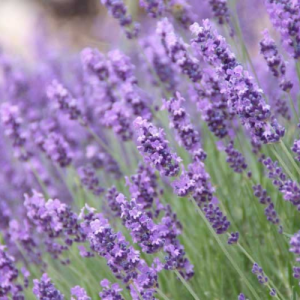
Fill your garden with the relaxing fragrance of Lavender. Super easy to grow, the lavender plant is a fabulous addition for your garden when you need to destress as the scent is calming and relaxing. For maximum impact position lavender near paths and seating areas on patios so you can get the full benefit of its delicious fragrance, and watch the butterflies and bees enjoying the flowers.
As lavender originates from the Mediterranean it just loves baking in a sunny spot, in well-drained soil. All lavenders are evergreen, drought-tolerant and perennial, growing to around 60/80cm depending on variety, forming a small to medium bush with spikes of tiny grey/green leaves topped with flowers of blue, white, lilac or pink.
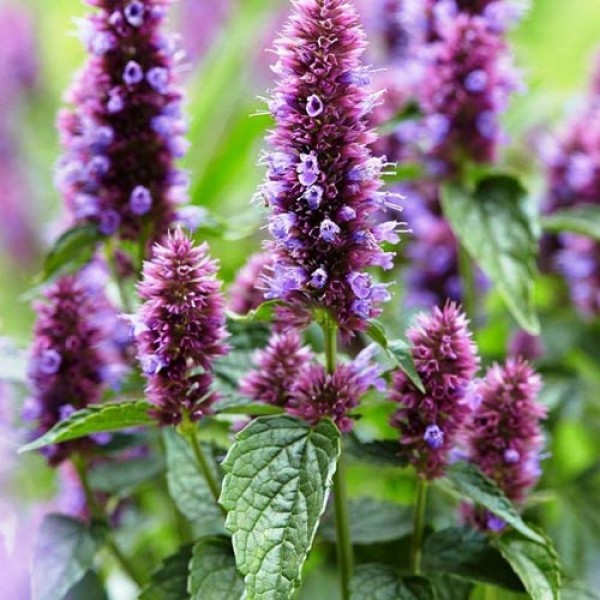

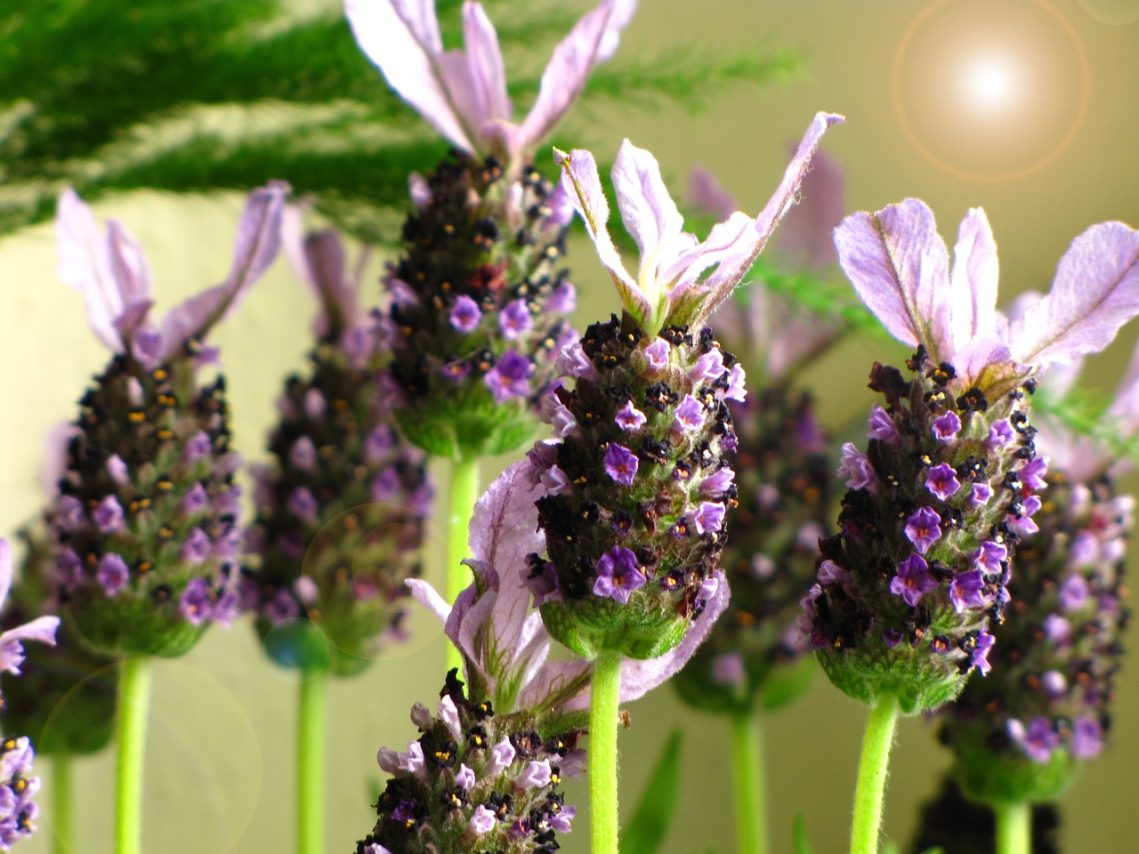
Lavender is also very useful when grown as a companion plant for roses as the scent can repel aphids, whitefly and other pests. The Lavendula Augustifolia’ (English lavender), is very effective around roses, and this variety is also the quintessential cottage garden lavender. ‘Margaret Roberts’, with its dark blue flowers, is one of the best varieties to use as companion planting with vegetables as the strong scent deters pests.
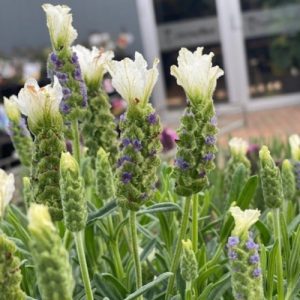
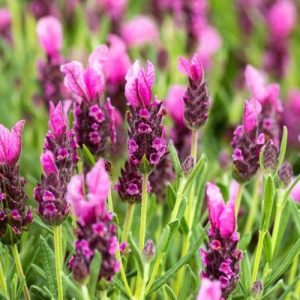
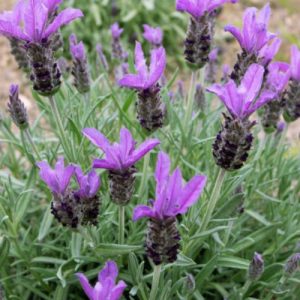
Ideal for container planting is the Lavender Stoechas (Spanish lavender), with a choice of purple, pink or white flowers or the Dentata (French lavender), which has blue/mauve flowers. The Hidcote blue variety is a very fragrant lavender with blue flowers only growing to around 38cm, making it ideal for hanging baskets or containers.
The Stoechas variety of lavender tends to have a longer period of flowering as they will be in bloom from late Winter through to Summer.
After flowering all lavenders need to be cut back on the green stems only, so avoid pruning back woody stems, which is old wood, as new growth will not grow on these stems. On older plants which have become very woody, cut back these branches completely.
Gardening in March: refresh borders, plant colourful flowers, mulch beds, plant spring bulbs and sow winter vegetables for a thriving garden
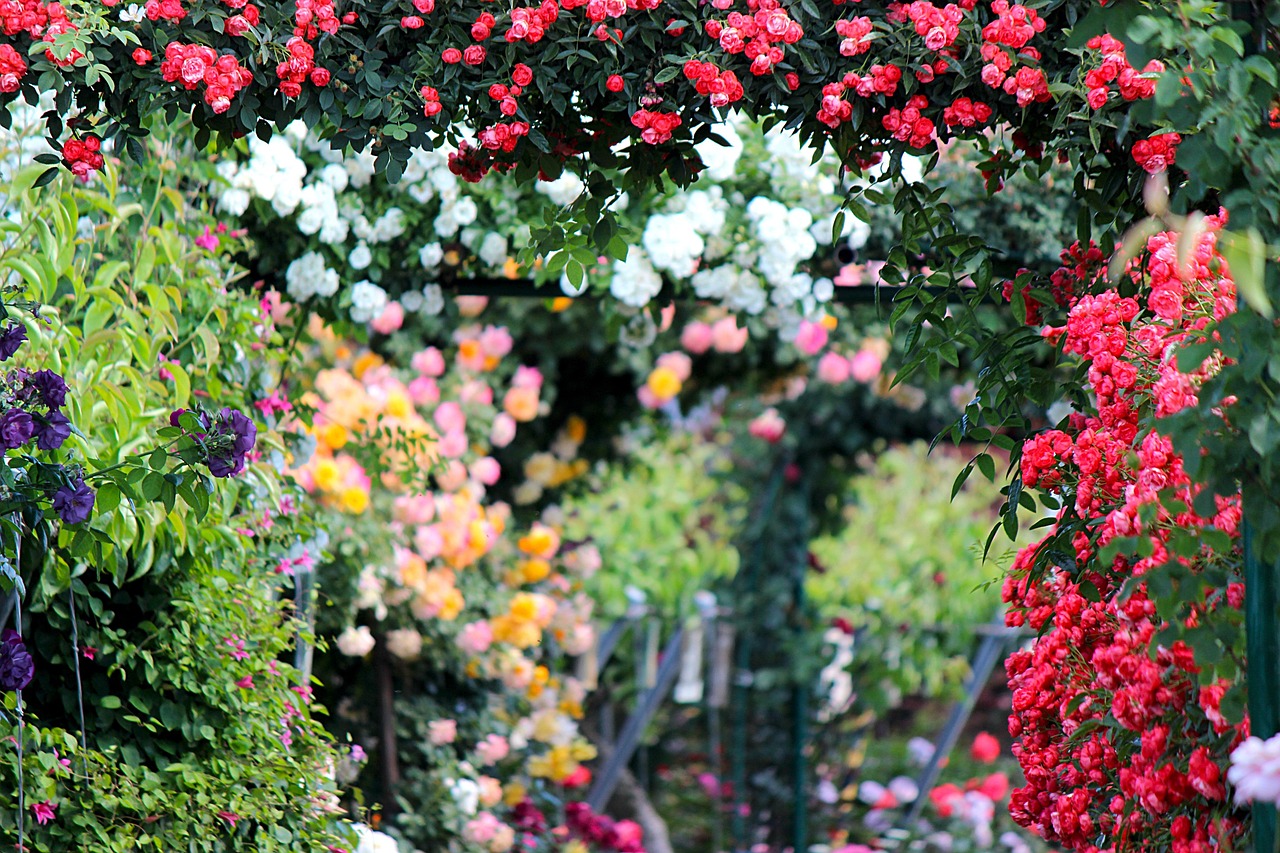
Roses add colour and fragrance to any garden. Learn planting, care, pest control and the best rose types for beautiful blooms year-round