








Gardening in a Changing Climate
Discover what to plant where in South Africa this spring and summer with our regional guide to climate-friendly, water-wise and pollinator plants.


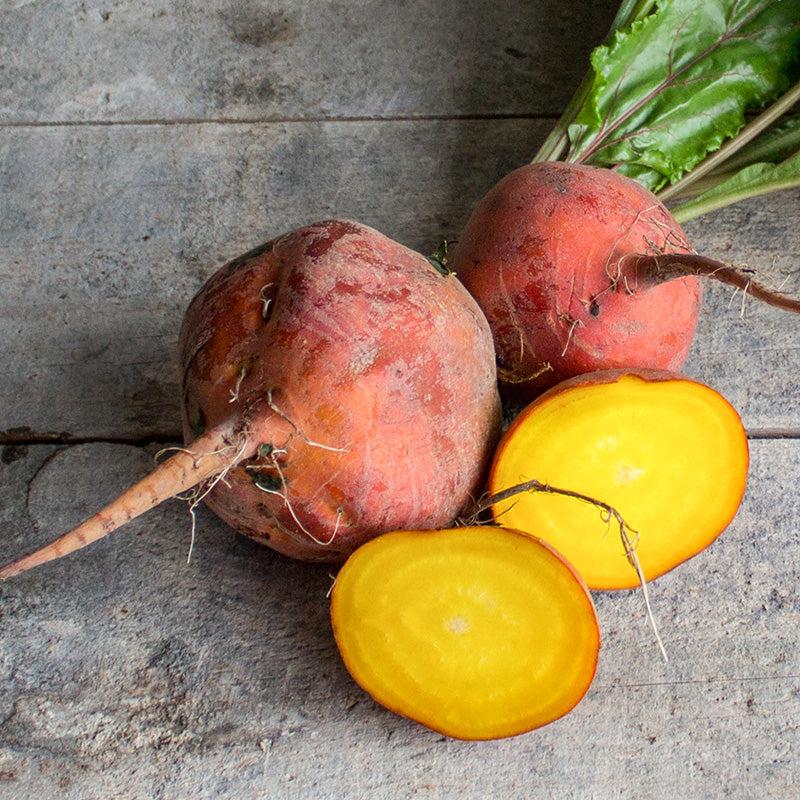
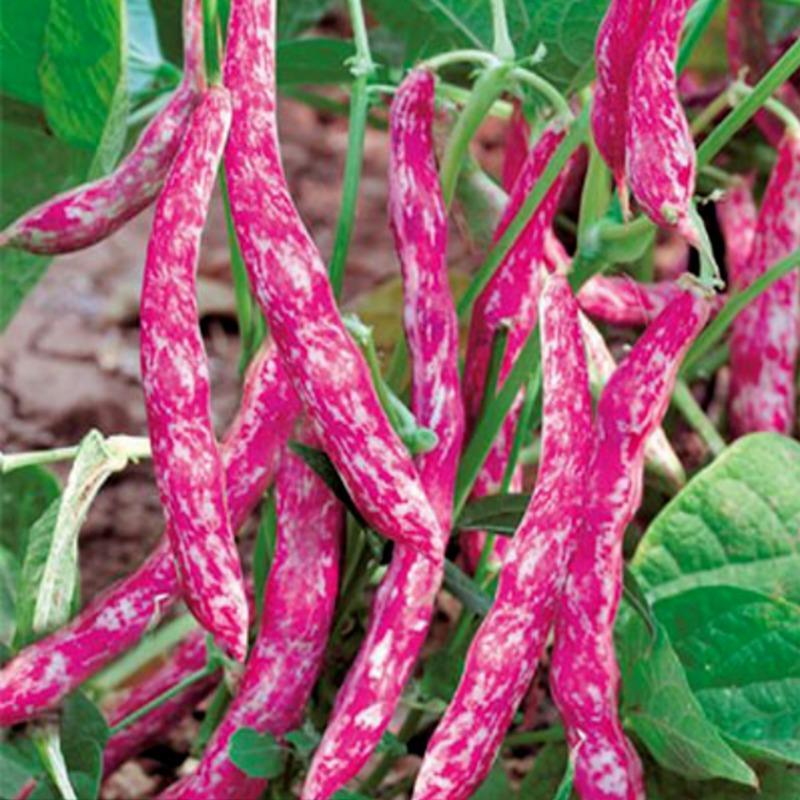
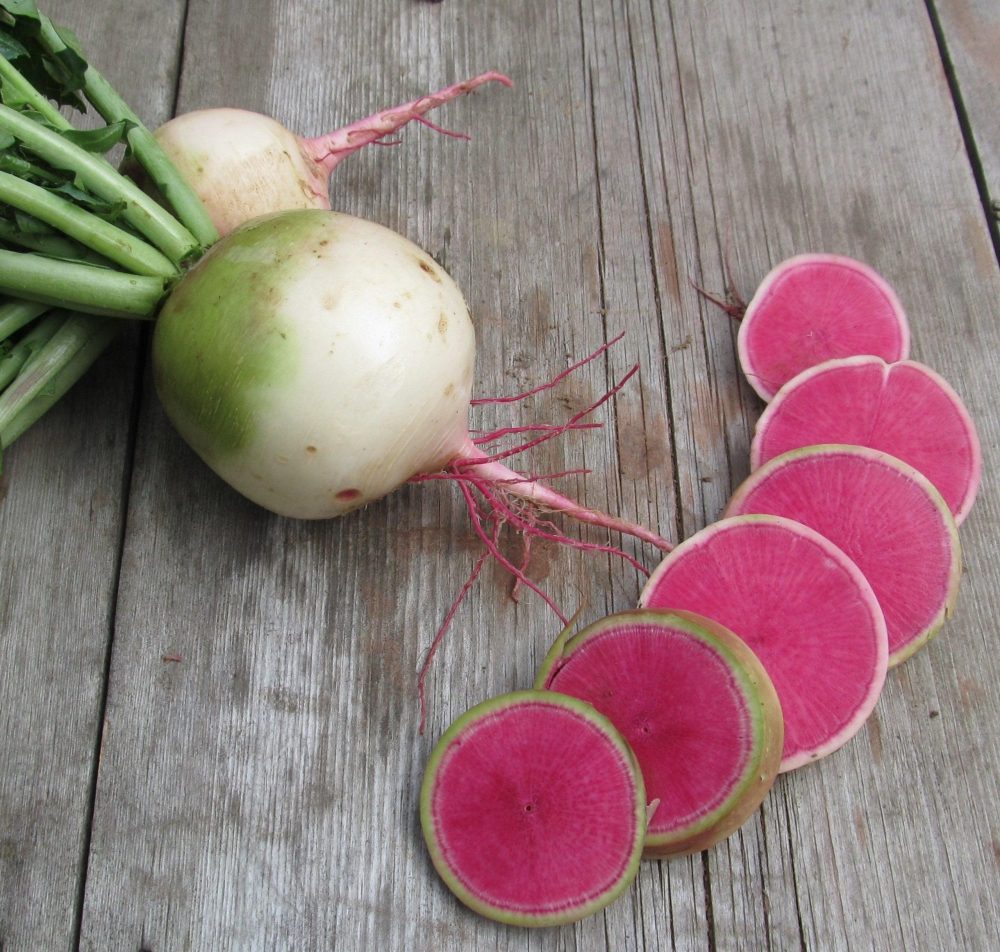
Our heirloom and speciality edibles are unique plants, selected for their unusual colours, shapes, flavours and culinary appeal.
Choose your varieties. We sow them. We grow them. You enjoy the harvest.

 Posted on Google
 Reginald Bray
Trustindex verifies that the original source of the review is Google.
Initially I was very sceptical about buying plants over the internet (it's not like buying a skein of wool or a set of pots), one wants to see and feel the plants, but I was pleasantly surprised by the condition and quality when they were delivered. It was a pleasure doing business with "Village Gardens" in Cape Town. I can really recommend themPosted on Google Anika MaassI placed my order on 5 June and received it today! Neatly packed in a box and the flowers are in a great condition! Tracey put's in a lot of effort with each order and keeps you up to date about the movements of your order! I will definitely order again!Posted on Google
 T GHighly impressed with the quality of plants and how well packaged they were when they arrived via courier.Posted on Google
 Raymond KrugerGreat and friendly service Mistake from my side on the delivery address and the went over and above to sort it out hassle free. Product I wanted had some issues and they suggested I wait for new stock or where willing to refund me. I choose to wait and they kept me in the loop the whole time.Posted on Google
 Trevor AvesA friendly and professional service. Plants were quickly delivered in perfect condition to my address in Limpopo province. I strongly recommend Village Gardens Online Nursery.Posted on Google
 Eliza De VilliersI’ll definitely order online again. Village Gardens have a wonderful selection of plants and was very responsive.Posted on Google
 Leon van RooyenI have been trying to find an ornamental grass. It was available on Village Gardens online nursery. I also bought some other rare to find plants, but the main thing was my ornamental grass. On placing the order I got feedback from Tracey, that the plant that they had was not suitable for selling. It was only going to be ready at end December. Since that was the only reason I bought, I was prepared to wait. She also gave me advice on how to care for the plant in the winter (when these normally die)... So when the plants arrived, they were healthy and large. Tracey, thank you!Posted on Google
 Alison McKennaPrompt, professional, and very pleasant is how I can describe Tracey at every step of my arranging a gift voucher at Garden Village Nursery. The chosen plants were personally delivered by Tracey in perfect condition, and in very good time. A win-win experience all round!Posted on Google
 Annette ChurchI highly recommend this online nursery. They went to great lengths to get me the plants I have been looking for for so long. Delivered in perfect condition from Cape Town to Plettenberg Bay by The Courier Guy. Amazing service. Thank you.Verified by TrustindexTrustindex verified badge is the Universal Symbol of Trust. Only the greatest companies can get the verified badge who has a review score above 4.5, based on customer reviews over the past 12 months. Read more
Our climate is changing, making thoughtful plant choices more important than ever. At Village Gardens, we encourage indigenous, Mediterranean and exotic plants that are non-invasive and suited to local conditions. Together, we can create beautiful, resilient gardens for the future.
Fresh arrivals are landing! New plants, new colour, new inspiration for the garden —
All ready to find their new homes. Get in quick before the best ones disappear.
Discover what to plant where in South Africa this spring and summer with our regional guide to climate-friendly, water-wise and pollinator plants.
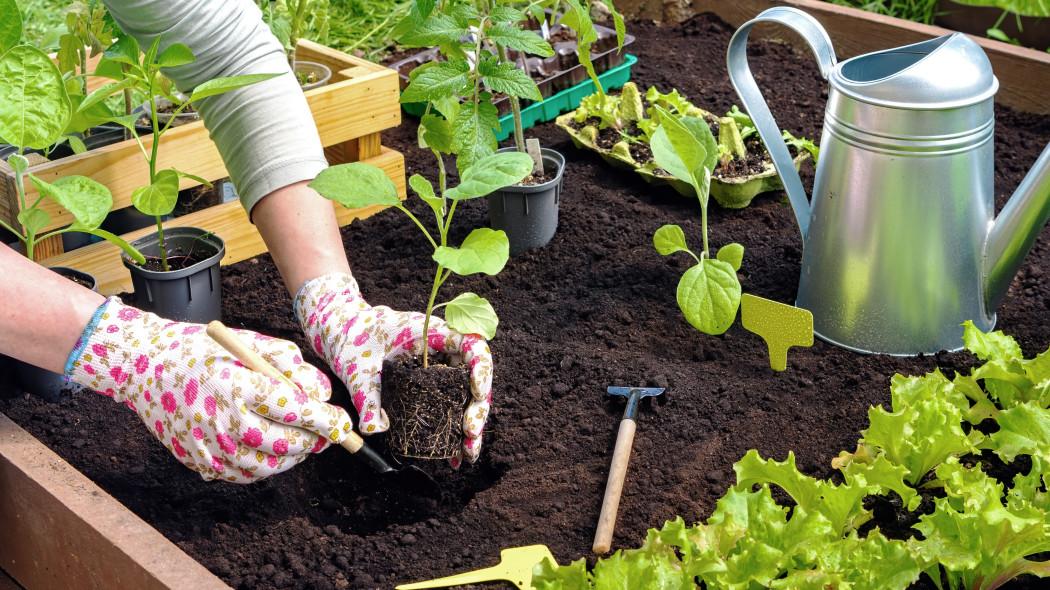
Step into spring with our gardening guide: prepare your soil, plant flowers and vegetables, grow summer bulbs and get your garden blooming.
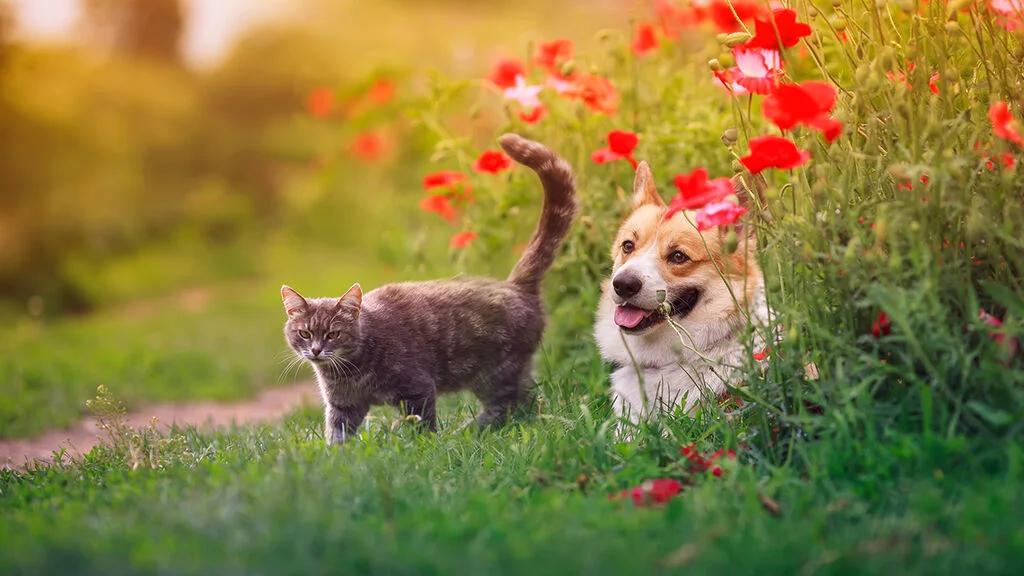
Discover pet-friendly garden plants for dogs and cats, including catnip, grasses, herbs, flowers and trees for a safe outdoor space
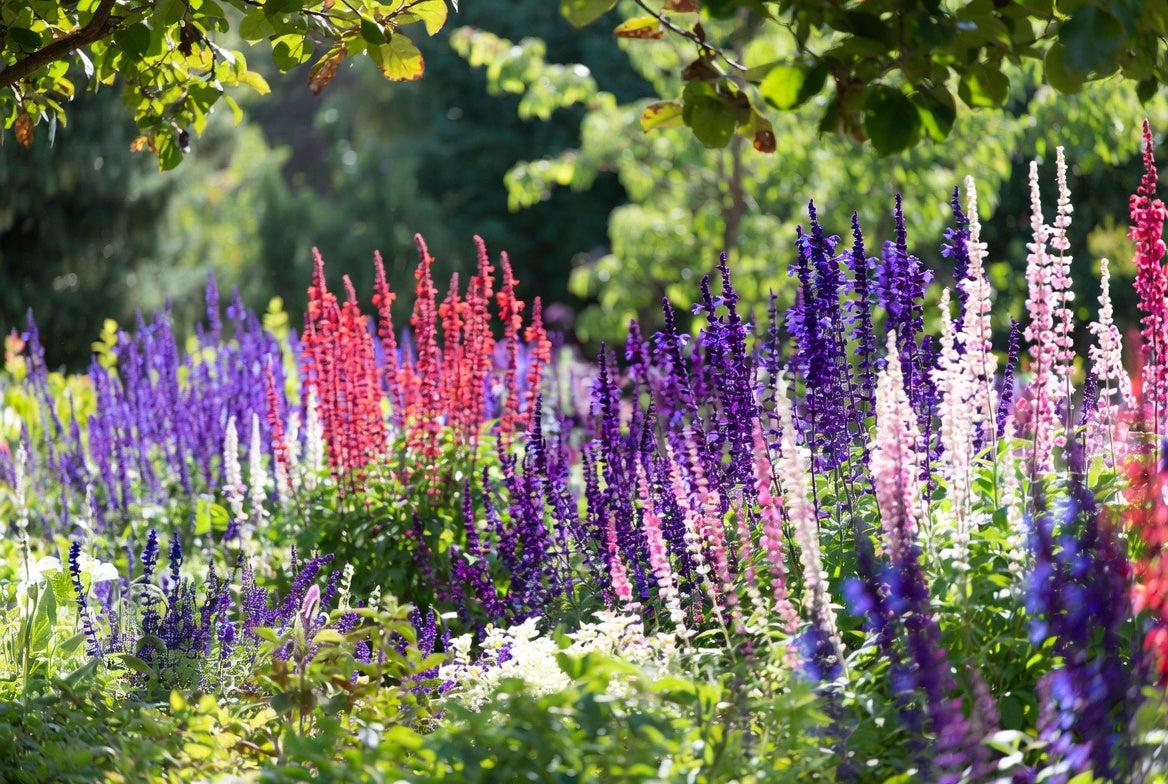
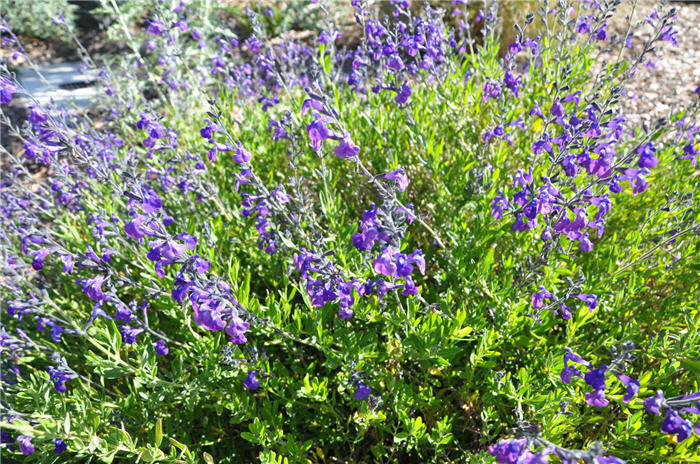
Discover the colourful world of Salvias! These easy-care, water-wise plants provide months of blooms, attract pollinators, and thrive in South African gardens.